PCIe · DMA · Edge AI
Straight to the GPU: zero-copy PCIe from TI Jacinto to Jetson Orin
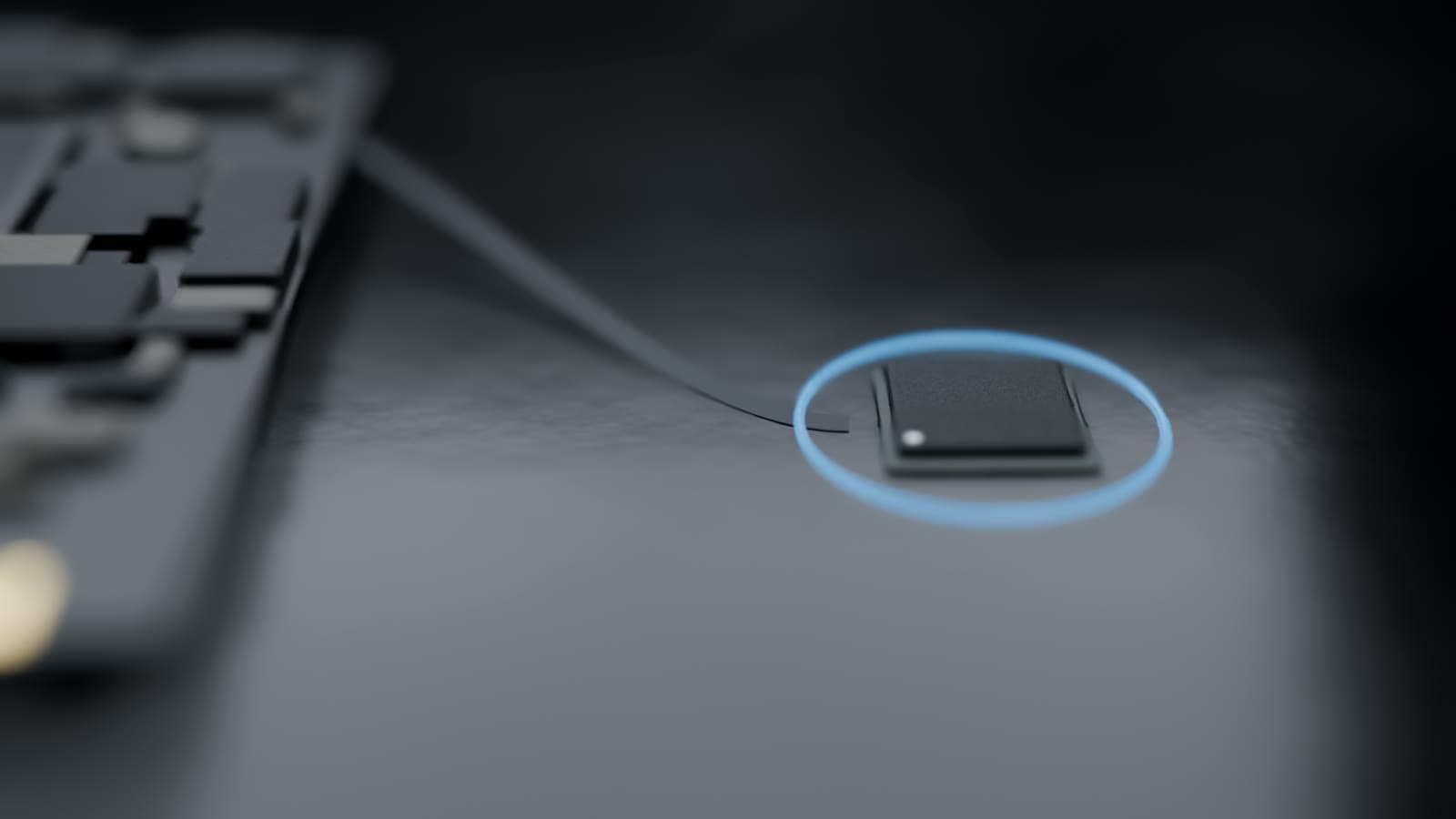
One camera frame, four GPUs, and an operator waiting to see it. The frame lands on a TI Jacinto, DMA takes it from there, and it crosses PCIe straight into the GPU memory of a Jetson Orin; the CPU never touches it. Then the same boards and the same cable, with the CPU copying every frame.
Chapters
ILLUSTRATION + BENCH DATA
The factory, the four-Orin line and the control room are 3D illustrations; the data paths, board activity and detections are animated, not recorded output. End-to-end latency of the line has not been measured. The bandwidth and the speed ratio in the film were measured on our own bench; the setup is given in the text.
01What the film shows
Before an operator sees a camera frame, several processors may work on it. The film follows one frame: it lands on a TI Jacinto, DMA takes it from there, and it crosses PCIe straight into the GPU memory of a Jetson Orin. There is no CPU copy in between.
There are four Orins on the line, one AI job each: video stabilization, image enhancement, object tracking and gauge reading. Each one starts the moment the frame lands, on an interrupt rather than polling. Then the frame goes back to the Jacinto and out over WebRTC, live on the operator's screen. Then the same boards and the same cable run with the CPU copying every frame: every copy is a wait. We write the PCIe drivers on both sides: memory management, DMA transfers, synchronisation and interrupts in both directions.
Concept film: the four-Orin line, the factory and the control room are 3D illustrations, and the data paths and detections are animated. End-to-end latency of the four-Orin line has not been measured. What we measured on our bench (September 2026): between a TI Jacinto 7 (J784S4) and a NVIDIA Jetson AGX Orin over PCIe Gen3 ×4 with DMA, 3.0–3.2 GB/s. On the same link, DMA ran about 8 times faster than CPU-driven copies (128 MB transfers).
02Transcript
One frame. Four GPUs. And an operator waiting to see it.
It lands on a TI Jacinto.
DMA takes it from there; the CPU never touches it.
Over PCIe, straight into the GPU memory of a Jetson Orin.
Four Orins on one line. The first steadies it.
The second clears it.
The third tracks what moves.
The fourth reads the gauges.
Each one starts the moment the frame lands.
Then back to the Jacinto, and out over WebRTC, live on the operator's screen.
Same boards. Same cable. Now let the CPU copy every frame.
Every copy is a wait.
On our bench, DMA ran about eight times faster than CPU copies on the same link.
Still waiting for the video to end?
If you'd rather not wait, you're in the right place.